Microsoft Hyper-V has become one of the most robust and attractive virtualization solutions in the enterprise market. Following recent changes to VMware licensing policies, Hyper-V stands out not only for its enterprise-grade technical maturity and performance, but also for its excellent value and native integration with the Windows Server and Microsoft Azure ecosystem.
Here is a detailed look at its current benefits and a direct comparison with its two main competitors: VMware vSphere and Proxmox VE.
Current Benefits of Hyper-V
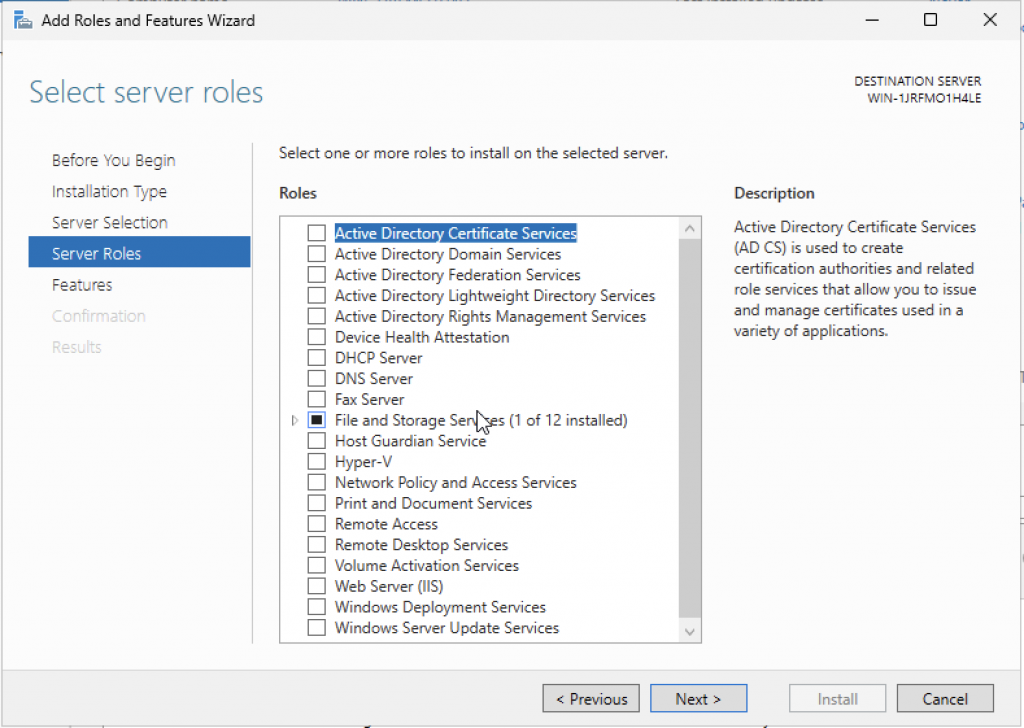
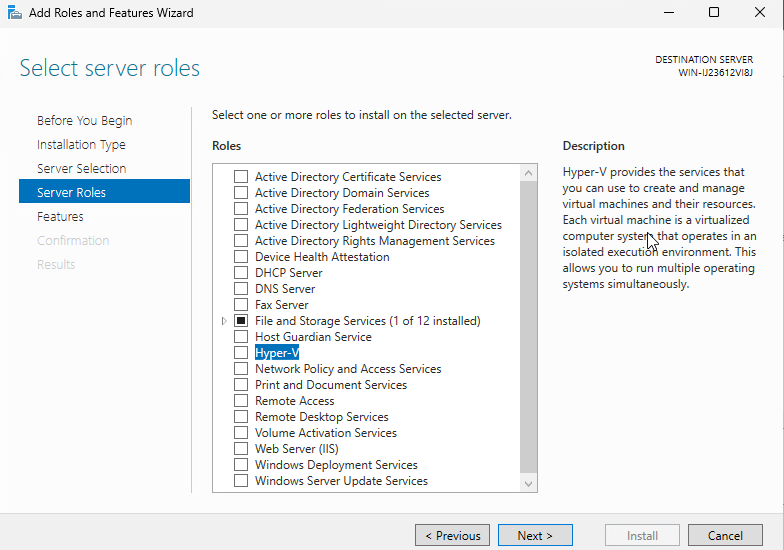
- Native Windows Server integration: It is enabled as a built-in role, eliminating the need to install third-party hypervisors in Microsoft environments.
- Significant cost savings: Since it is included with Windows Server Standard and Datacenter licenses, it lets you virtualize Windows instances without paying for a separate hypervisor license.
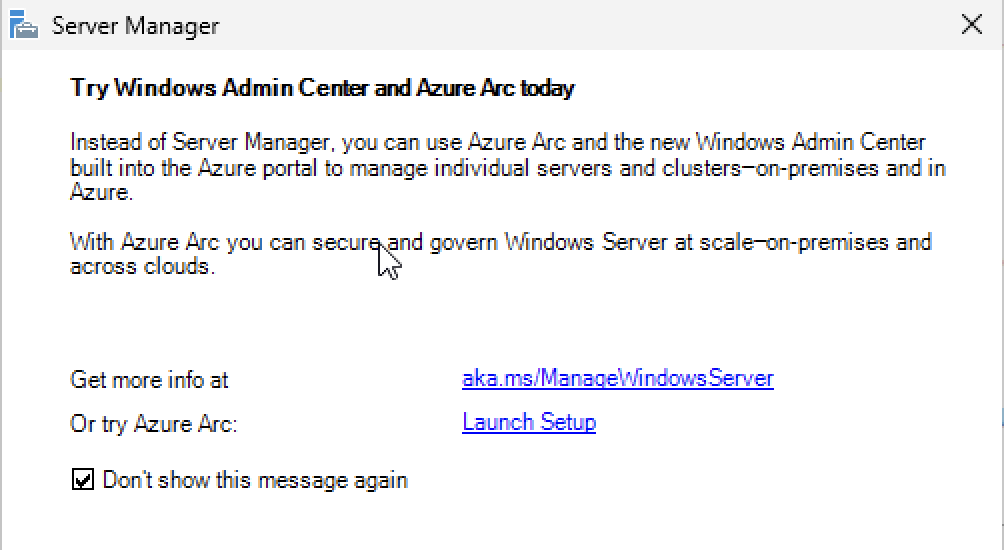
- Hybrid Azure ecosystem: It makes it easier to migrate workloads to the cloud and manage them centrally with Azure Arc and Windows Admin Center.
- Hardware-level security: It uses technologies such as Shielded VMs, Guarded Fabric and native virtual TPM (vTPM) support to protect virtual machines from malware and unauthorized access.
- Enterprise performance and scalability: It supports large hardware configurations (up to 24 TB of RAM per host and 12 TB per VM), making it suitable for critical databases and large applications.
Comparison: Hyper-V vs. VMware vSphere vs. Proxmox VE
| Feature | Microsoft Hyper-V | VMware vSphere | Proxmox VE |
|---|---|---|---|
| Architecture | Type 1 hypervisor (microkernel) | Type 1 hypervisor (monolithic) | Based on Debian Linux (KVM/LXC) |
| Licensing model | Included with Windows Server | Commercial subscription (SaaS) | Open source (optional support subscription) |
| Best suited for | Hybrid and Windows environments | Maximum enterprise performance | Flexibility and open source |
| Management tool | Windows Admin Center / SCVMM | vCenter Server | Integrated web interface (agentless) |
| Containers | Windows Containers / AKS | VMware Tanzu | Native Linux Containers (LXC) |
| Native storage | Storage Spaces Direct (S2D) | vSAN | Ceph / ZFS / local storage |
Hyper-V vs. its competitors: Which one should you choose?
Hyper-V vs. VMware vSphere
Historically, vSphere (ESXi) has been the undisputed leader in data center performance. However, following Broadcom’s acquisition of VMware, the shift to mandatory subscriptions has increased costs for many businesses.
- The Hyper-V advantage: It offers an enterprise alternative without the “VMware tax.” If your infrastructure already relies on Windows Server and Active Directory, Hyper-V provides high availability, live migration (Live Migration) and replication with much less licensing complexity.
Hyper-V vs. Proxmox VE
Proxmox VE has become very popular in midsize environments, labs, and businesses seeking an alternative to software monopolies thanks to its KVM-based open-source nature.
- The Hyper-V advantage: Although Proxmox is highly flexible and excellent for Linux environments or LXC containers, Hyper-V still leads in global enterprise support, ease of management for traditional Windows system administrators, and compliance with the strict security standards required by large corporations.
Conclusion
Hyper-V is not merely a “second choice.” It is a first-class virtualization solution that excels in hybrid infrastructure and Microsoft-based enterprise environments. It offers the stability and power large businesses need, avoids the financial uncertainty of VMware’s new subscription models, and provides a more standardized, officially supported environment than purely open-source solutions.
To understand the strength of Microsoft Hyper-V in the real world, we need to look at how large global corporations run critical, highly available operations on this platform.
Here are three examples of global architecture and infrastructure running on Hyper-V to serve millions of users:
1. Manufacturing and Logistics Infrastructure: Siemens (Industrial and Logistics Division)
- Corporate scenario: The global technology company Siemens needed to optimize and consolidate IT infrastructure across its high-volume manufacturing plants and international logistics centers.
- Hyper-V architecture: It implemented a large-scale consolidation model, migrating complex legacy environments to Windows Server Hyper-V clusters managed with the System Center suite. It consolidated workloads from as many as 50 physical servers into just 10 robust nodes per cluster.
- Services provided: It continuously supports critical manufacturing control systems (MES — Manufacturing Execution Systems), assembly-line automation, real-time global inventory management, and transactional databases for the global supply chain, while significantly reducing energy costs.
2. Global Defense and Aerospace Infrastructure: Lockheed Martin
- Corporate scenario: As one of the world’s largest defense and aerospace contractors, Lockheed Martin operates a massive corporate network with demanding regulatory, government security, and geographic redundancy requirements.
- Hyper-V architecture: The company uses enterprise Hyper-V clusters distributed globally, relying on advanced features such as Shielded VMs (hardware-shielded virtual machines), vTPM and Hyper-V Replica for rapid disaster recovery between primary and secondary data centers.
- Services provided: It virtualizes aerospace simulation environments, advanced automated testing labs, and secure access to corporate systems for tens of thousands of engineers worldwide, meeting stringent U.S. Department of Defense security audits.