Transición a Homelab con Proxmox: Mejora del rendimiento y escalabilidad

En este artículo, exploraremos la transición de un entorno de virtualización VMware a un homelab basado en Proxmox, destacando los beneficios de esta migración y cómo Veeam Backup & Replication (B&R) y el almacenamiento S3 mejoran la seguridad y disponibilidad.

¿Por qué dejar VMware?

VMware es una solución completa para la virtualización, pero su costo puede ser prohibitivo para los entornos de desarrollo o pequeñas empresas. Además, la escalabilidad y el rendimiento pueden verse limitados en sistemas con recursos modestos. Proxmox, por otro lado, ofrece un conjunto de herramientas de virtualización asequibles y personalizables que se integran perfectamente con el almacenamiento S3.

Introduciendo Proxmox

Proxmox es una plataforma de virtualización libre que permite crear servidores virtuales (VEs) en Linux. Ofrece características como la consolidación de servidores, la mejora del rendimiento y la escalabilidad, todo ello sin requerir un hardware específico.

Veeam Backup & Replication: Seguridad garantizada

Veeam B&R es una herramienta líder en backup y replicación de datos para entornos virtuales. Su compatibilidad con Proxmox permite a los usuarios crear copias de seguridad automáticas y transparentes, reduciendo el riesgo de pérdida de datos.

Almacenamiento S3: Escalabilidad ilimitada

El almacenamiento S3 ofrece una solución escalable y segura para almacenar backups y datos en la nube. Su arquitectura distribuida permite un crecimiento horizontal sin limitaciones, reduciendo así el costo del almacenamiento y mejorando la disponibilidad.

Ventajas de Proxmox con Veeam B&R y S3

La transición a Proxmox con Veeam B&R y almacenamiento S3 ofrece varias ventajas:

Costo reducido: Proxmox es una alternativa gratuita a VMware, mientras que Veeam B&R ofrece un costo predictible.
Mejora del rendimiento: La consolidación de servidores con Proxmox permite liberar recursos y mejorar el rendimiento general.
Seguridad garantizada: Veeam B&R proporciona copias de seguridad automáticas y transparentes, reduciendo el riesgo de pérdida de datos.
Escalabilidad ilimitada: El almacenamiento S3 permite un crecimiento horizontal sin limitaciones.
Conclusión

La transición a Proxmox con Veeam B&R y almacenamiento S3 ofrece una solución escalable, segura y personalizable para los entornos de virtualización. Al dejar atrás la complejidad y el costo de VMware, se puede aprovechar todo el potencial de Proxmox y sus herramientas complementarias.

Uptime-Kuma

Hi there
Time to update the Lab, this time, easy monitoring for VMs, Services and Webs.

UPTIME – KUMA

Im going to show you how to easily deploy an instance inside Proxmox, containerized, ready to go.

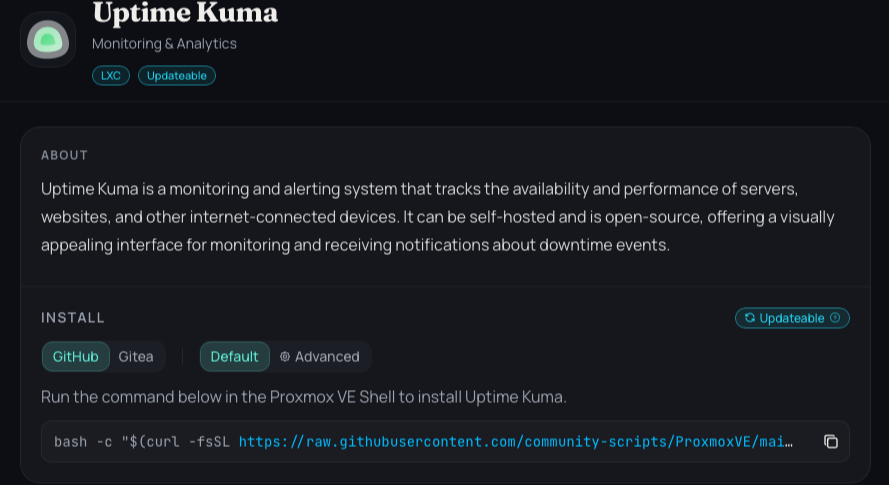
First, go to this website and search the community script to deploy it:

https://community-scripts.org/?q=uptime

Copy the command, as shown in the picture

Go to your Proxmox Host, open a terminal, and paste the command

Hit Enter

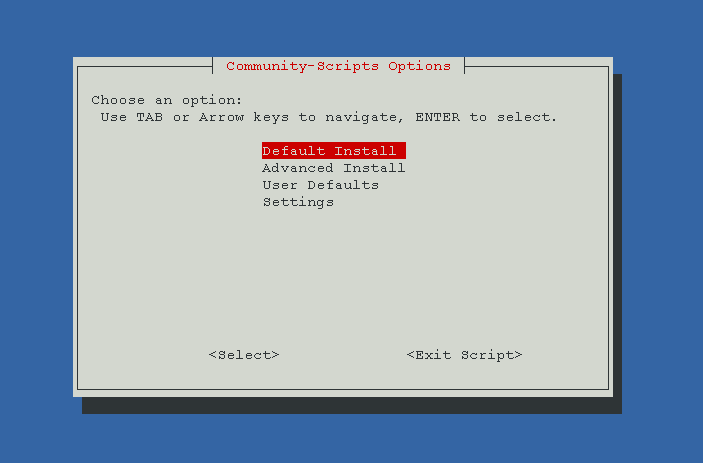
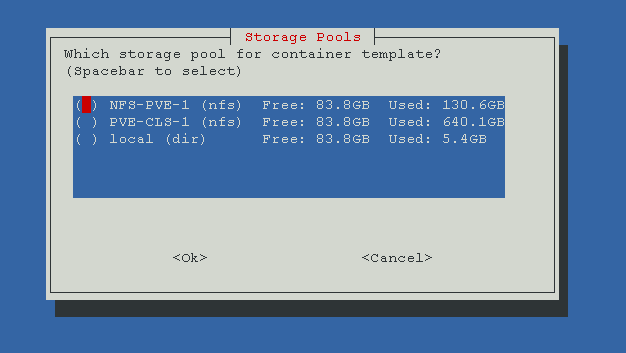
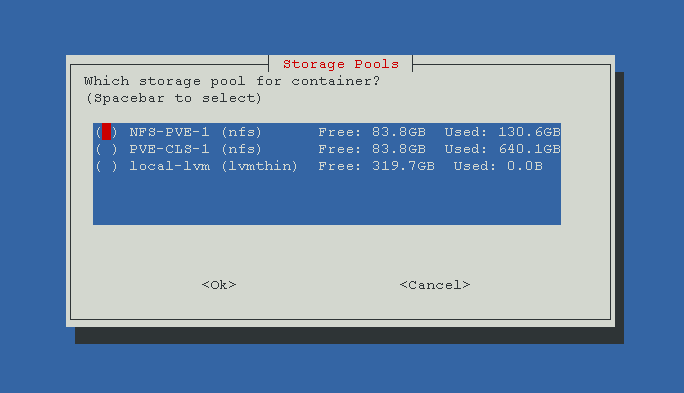
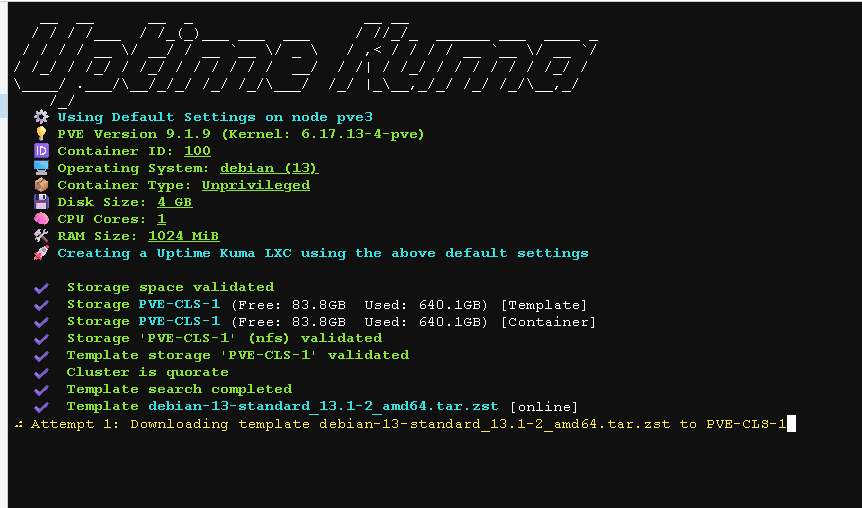
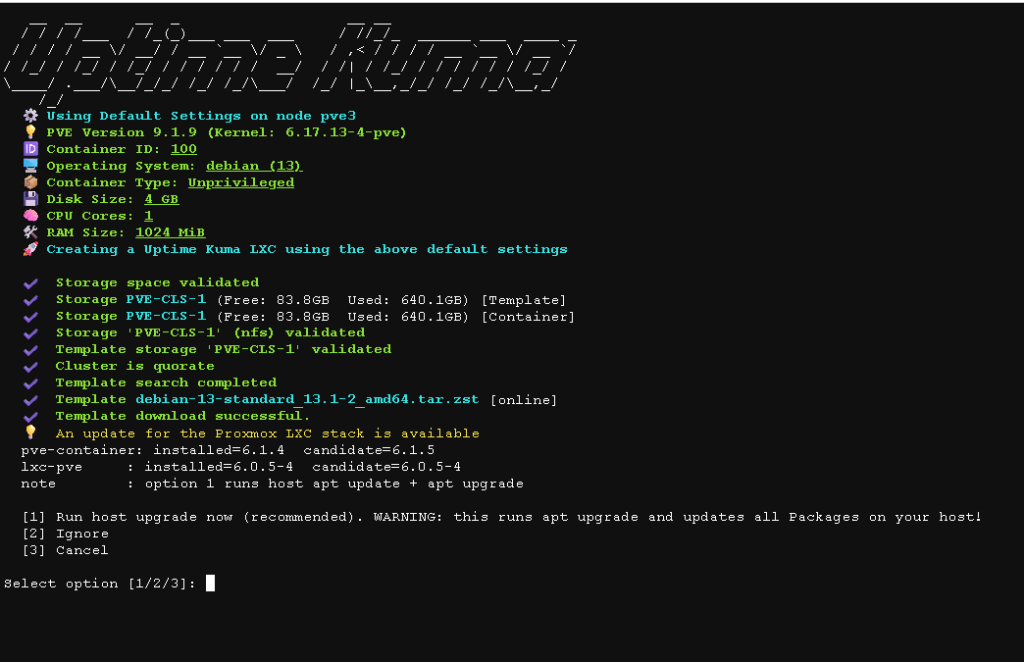
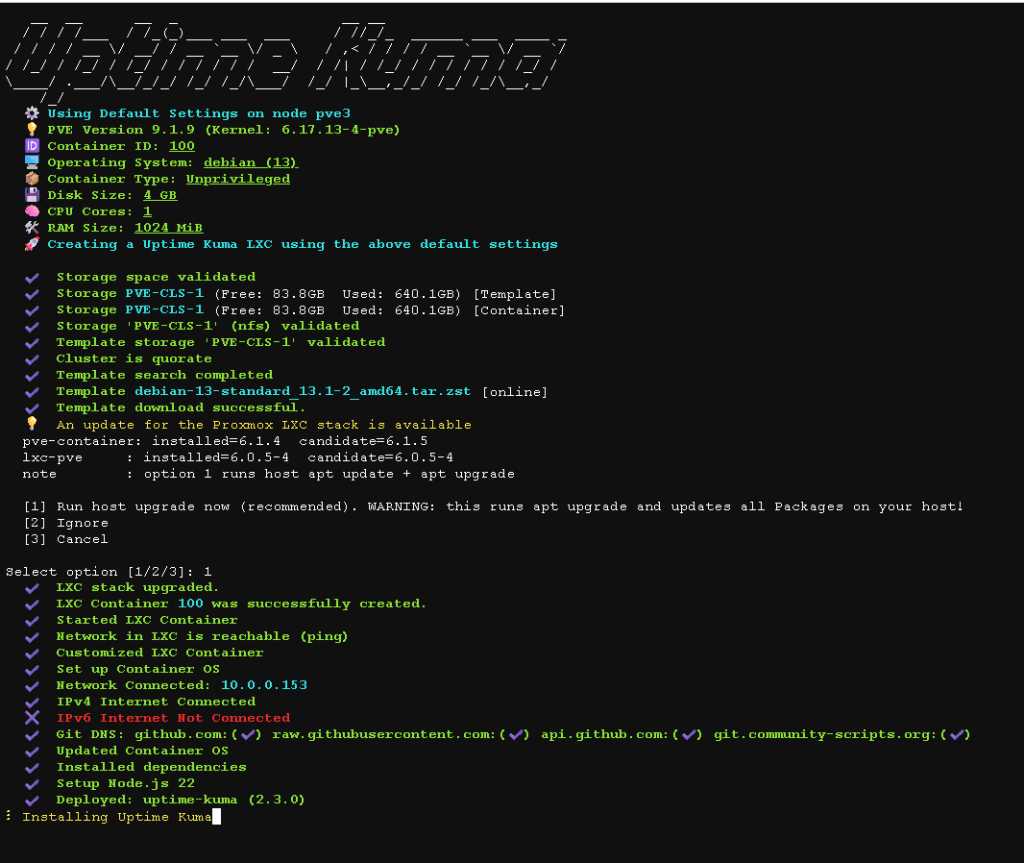
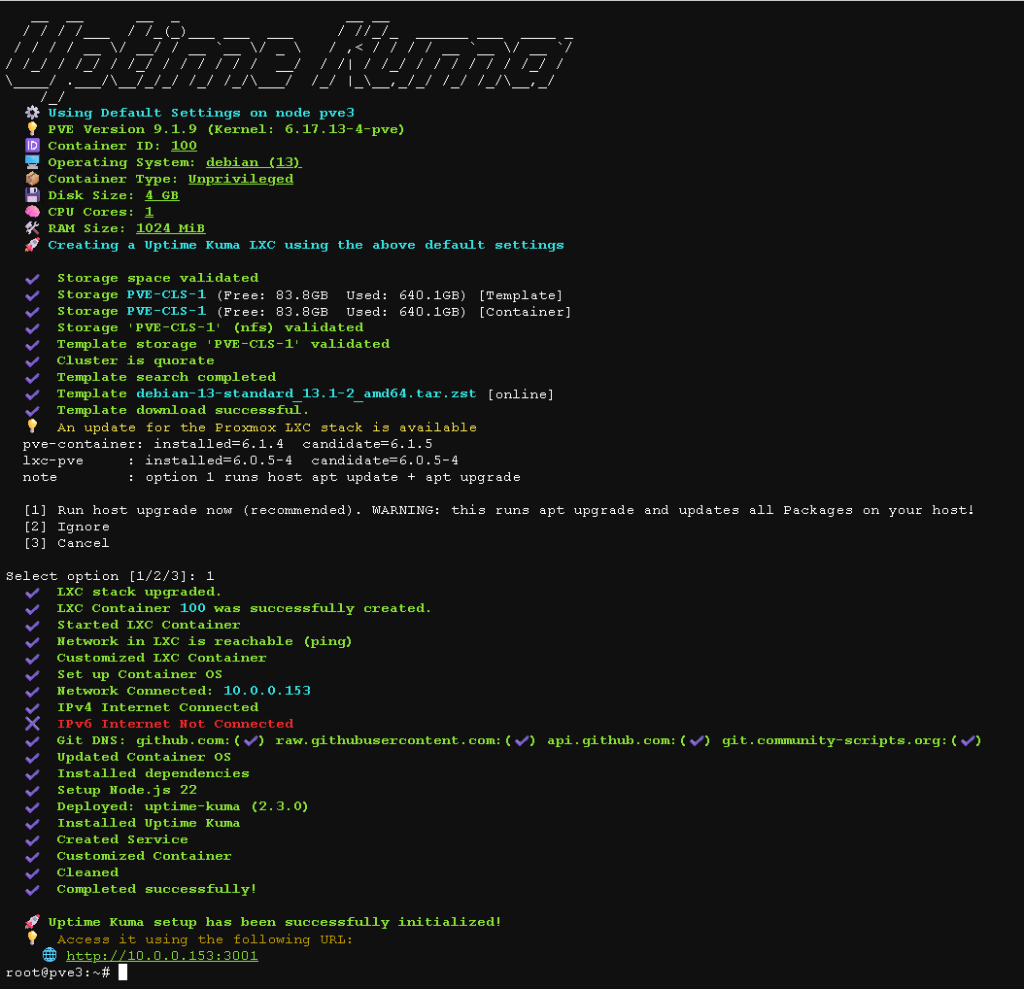
Lets follow the script steps, as always, with screenshots:

Default is ok
Storage for template, in my case, NFS, for future HA
Container Storage, same thing, NFS for future HA
Script running, great looking.
update found, lets apply it and continue
continue…
Done!
Now you can see the Ip from our DHCP were Uptime Kuma is running.
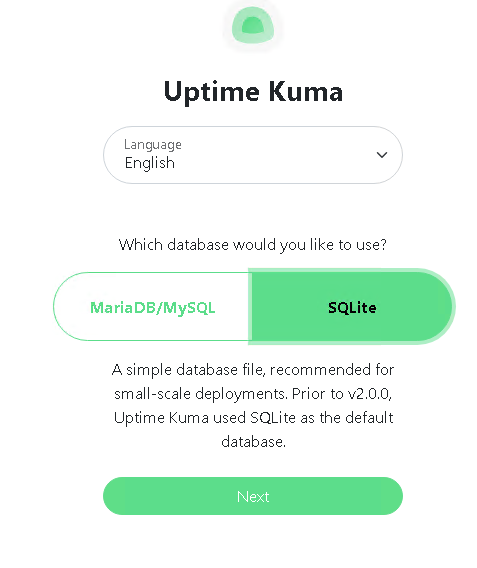
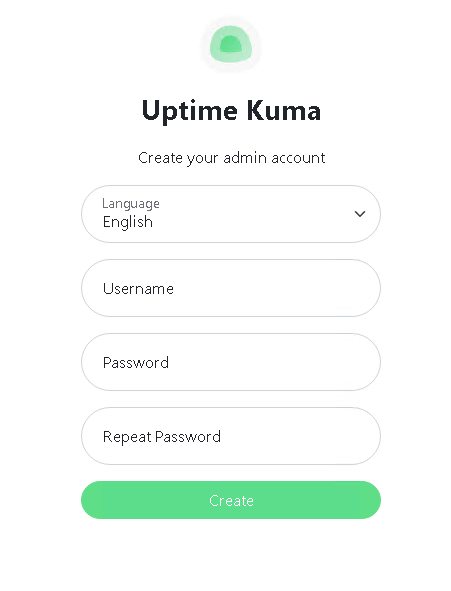
Open up in a browser, and follow the initial wizard,
I selected SQLite.
language and credentials.
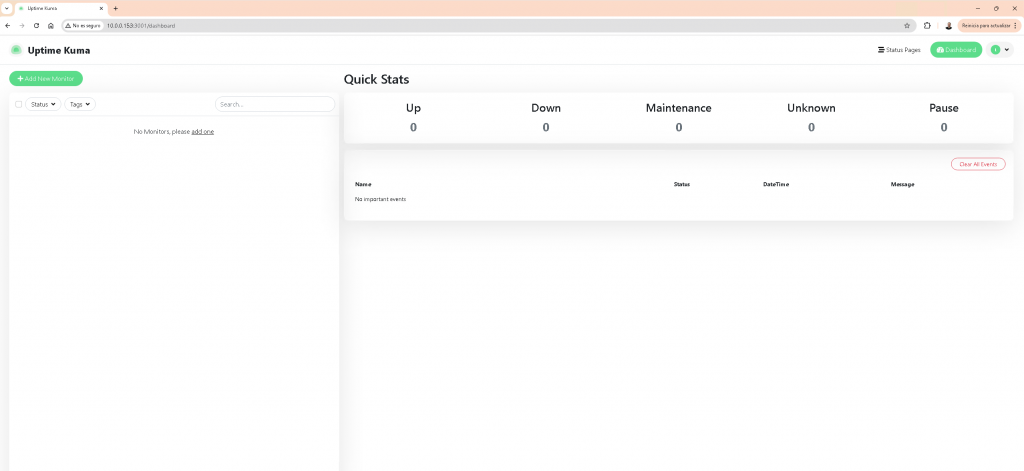
Done!

Next entry, initial config, notifications and initial monitors.

cheers.

Building a lab with PROXMOX – Part 2 – Hypervisors Installation

Let’s continue setting up our Proxmox Lab.

Download the ISO file from the Proxmox site .

I then wrote it to a USB Thumb drive to boot and Install, I use a Mac, so I did it with BalenaEtcher.

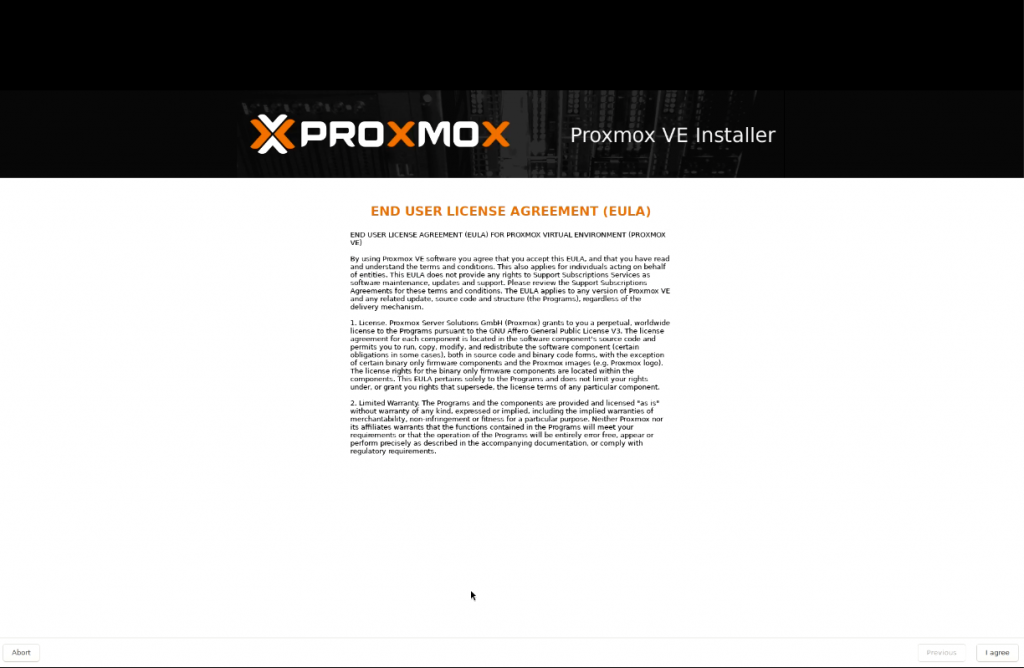
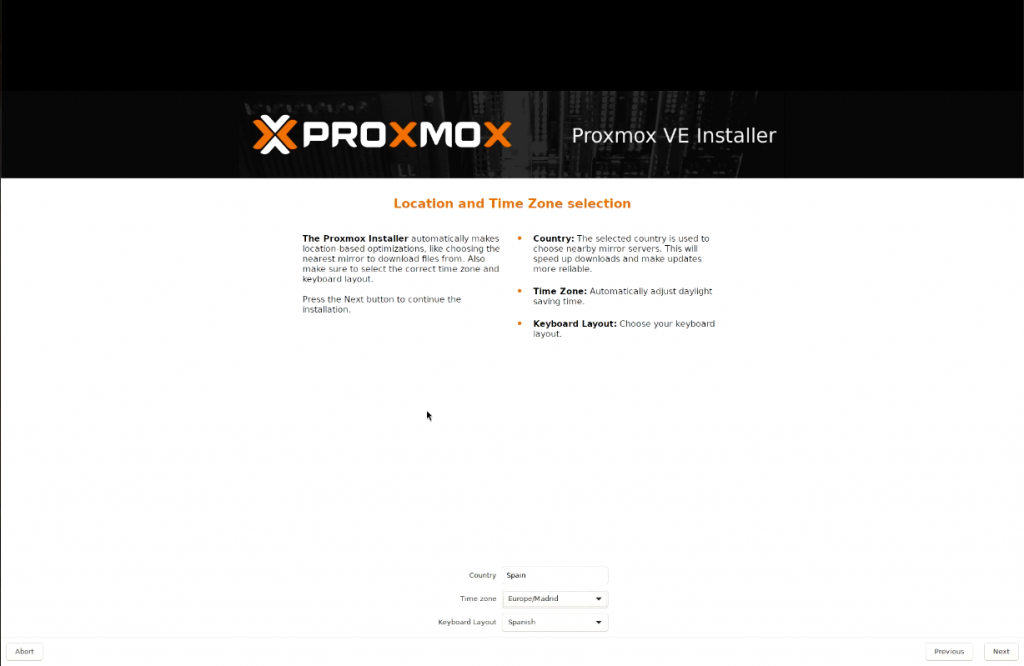
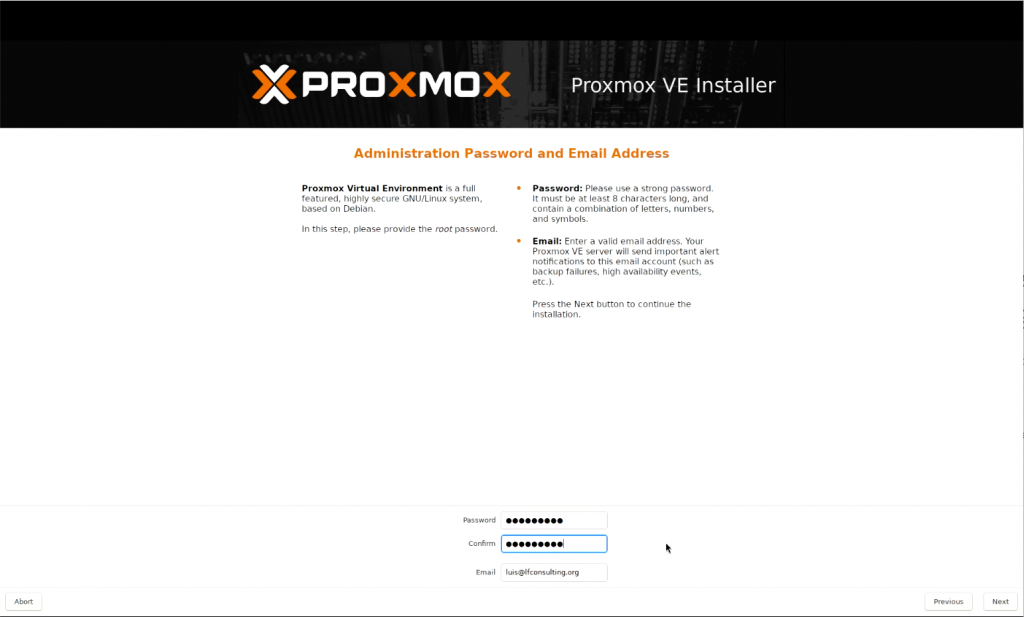
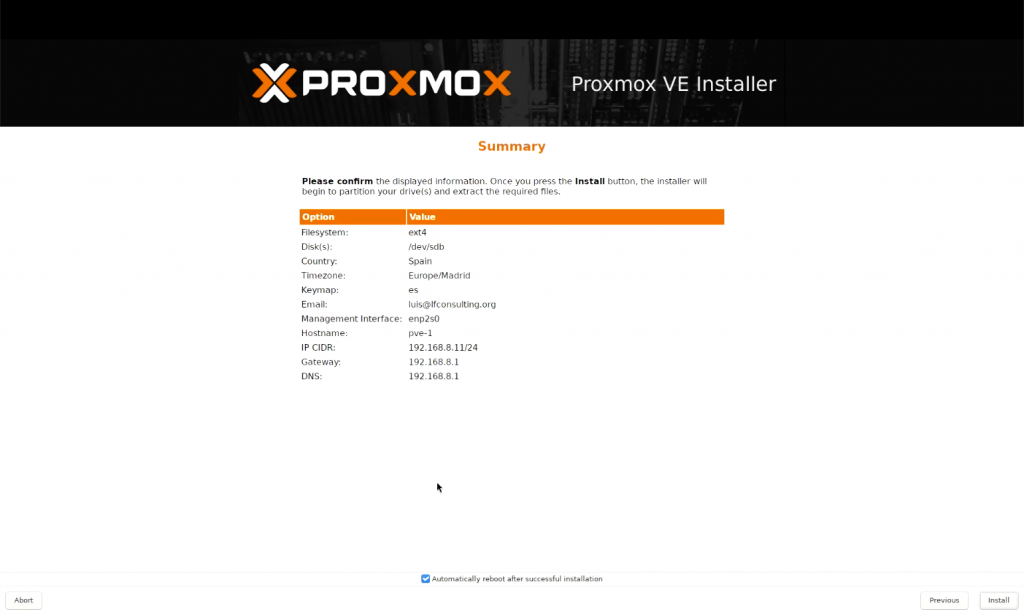
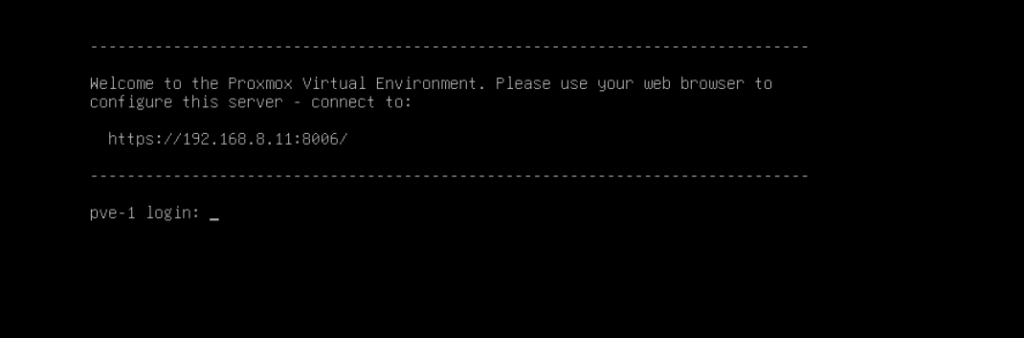
Now, I will post a few screenshots of the installation process.

I did the same steps on the three nodes, just changing the managing IP address and hostname, the rest, the same:

Here, IP Adress and hostname!!
the other two hosts look the same, different IP address and hostname.

The OS installation is super simple,
Now, in the next entry, we will get into details with the console, initial configurations and shared CEPH storage.

Stay tuned.

Building a lab with PROXMOX – Part 1 – HW

Hi there:
After months of thinking, I took the step to switch my lab to Proxmox,
I’ve been a Vmware «guy» for many years, but I knew the time came to give it a try, after many companies switching to it.

I decided to re-use the hardware I had from previous projects, to see the capabilities and «how tiny» the setup could be.

Here we go:

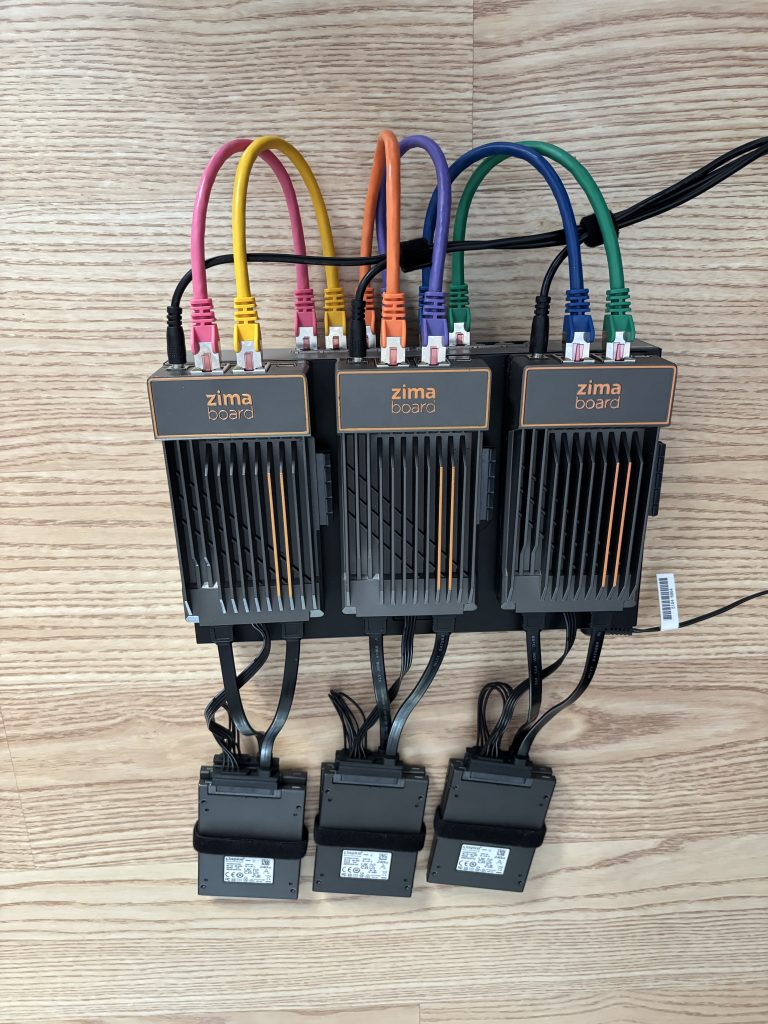
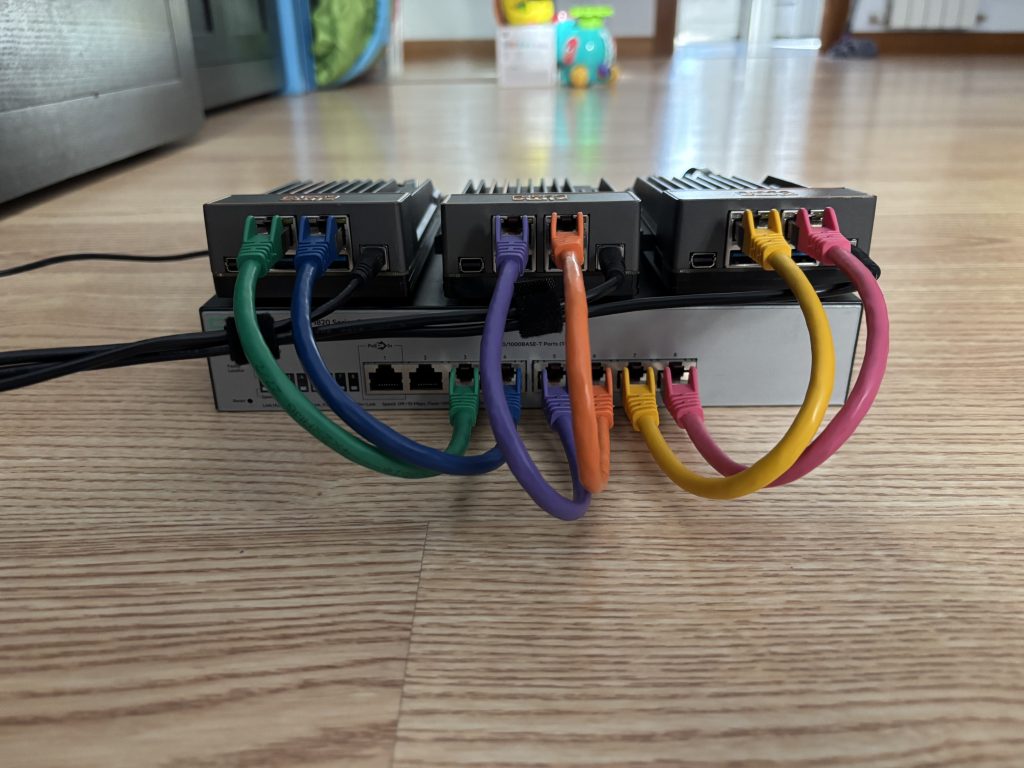
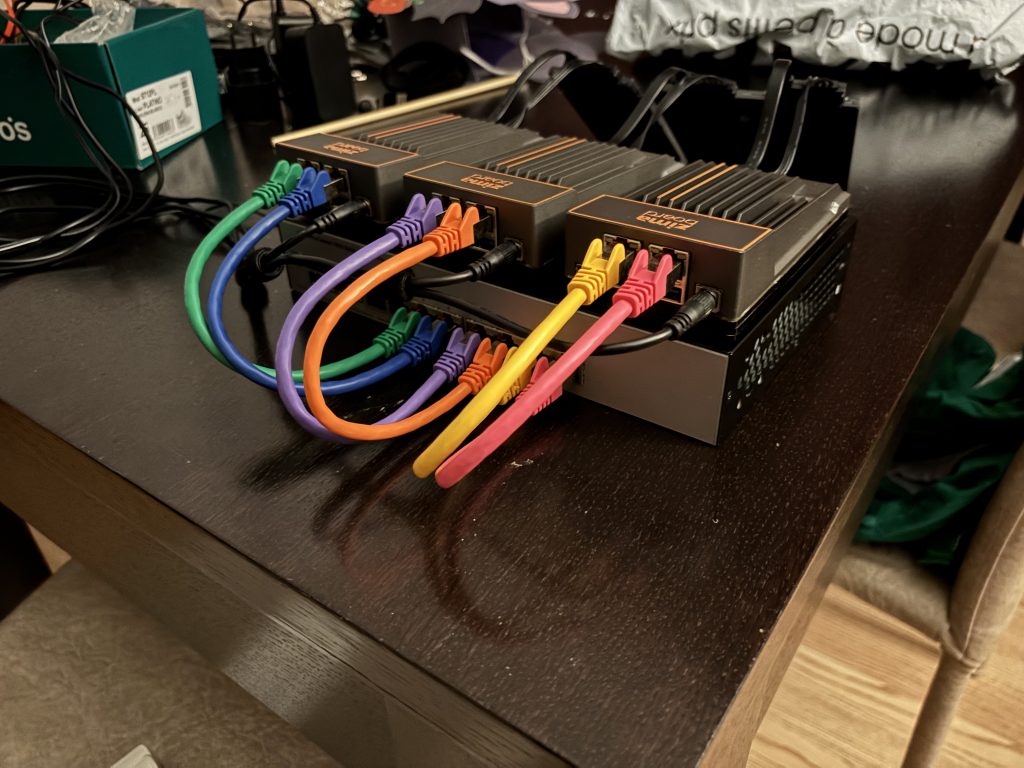
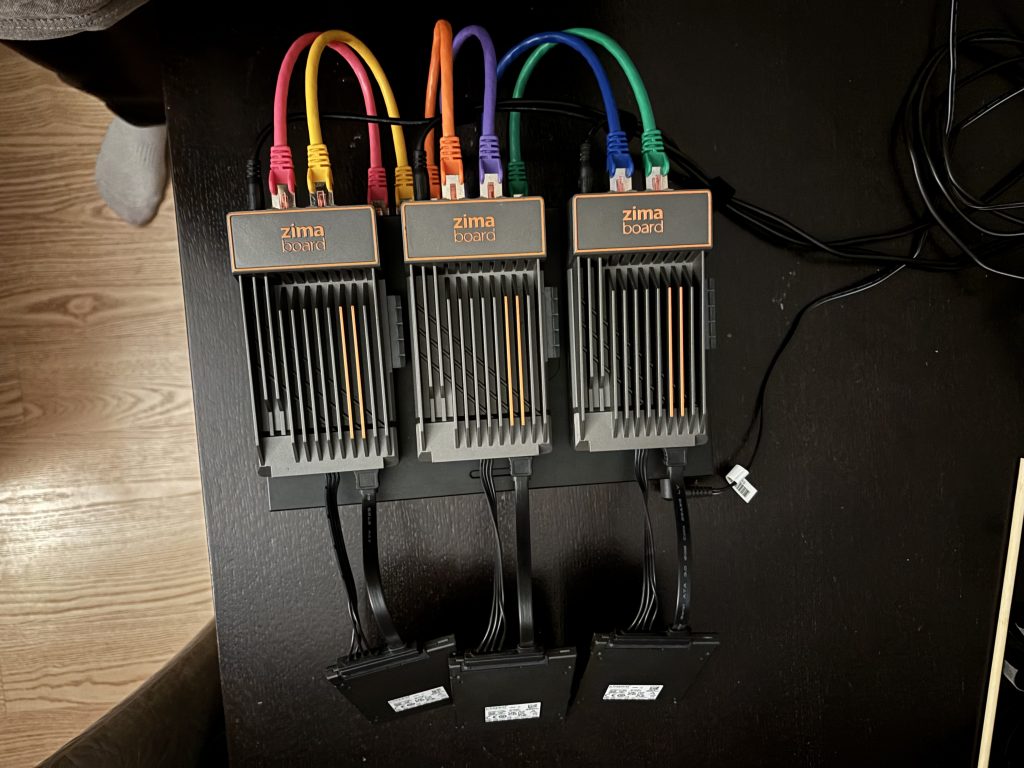
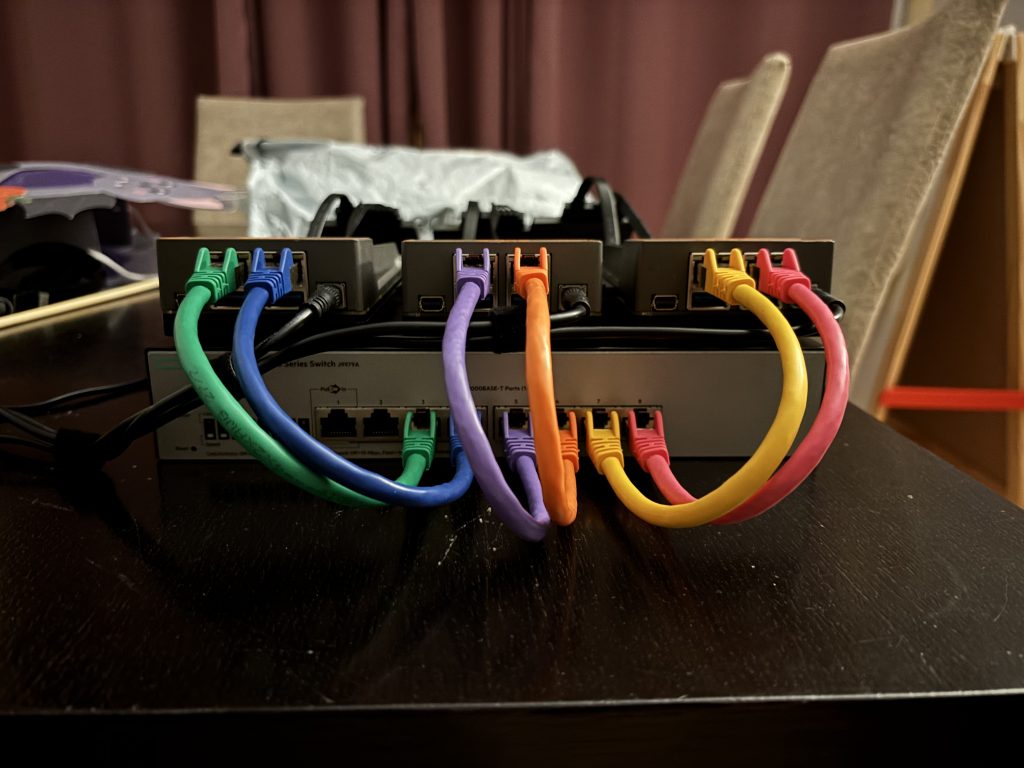
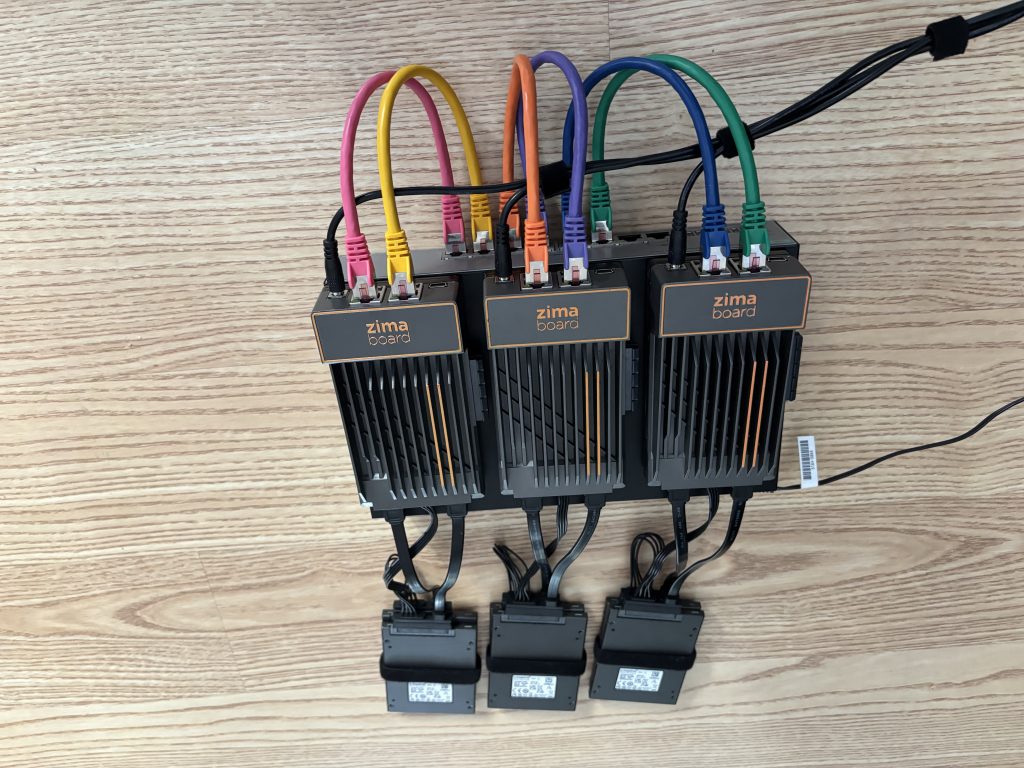
The hardware Im using is the following

  • 3 x Zima Board – 8GB RAM, Intel Celeron 4 Core
  • 3 x SSD 240GB (OS)
  • 3 x SSD 480GB (Storage)
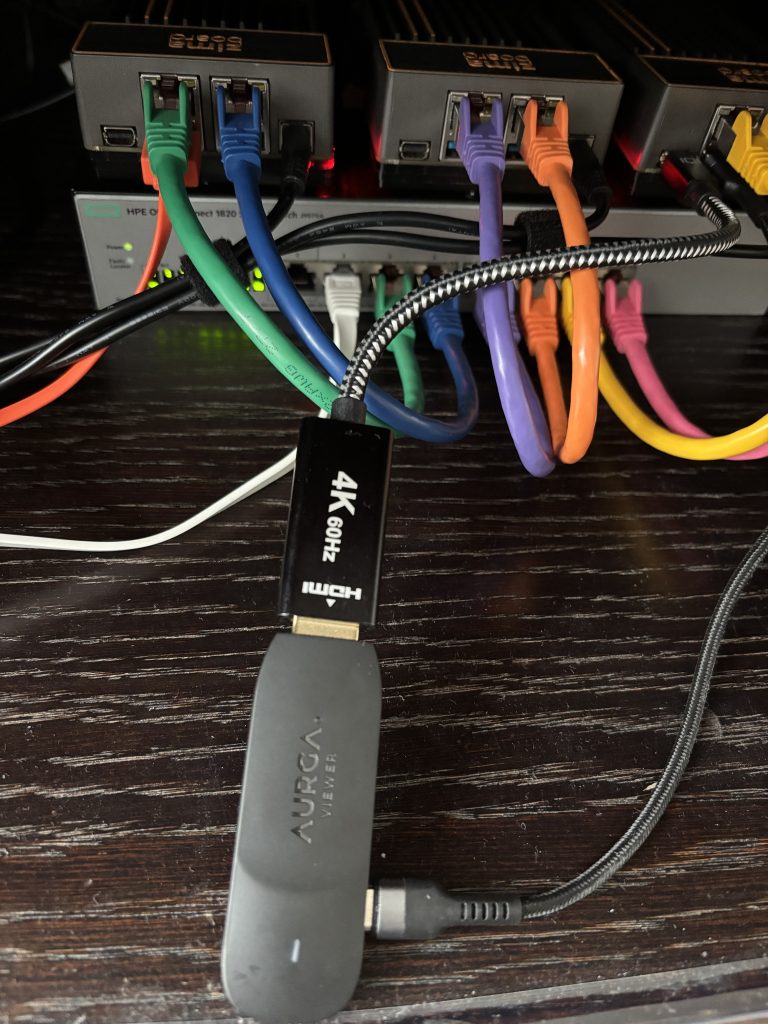
  • 1 x Managed 1Gbps 8p Switch (HPE Office Connect)
  • Ethernet cables

This hardware was laying around in my lab from previous projects,
and now looks super cool!

The electrical consumption is very low.
Im monitoring it, but for now, 10W each node….. xD

Few more pictures here:

Cheers.